Planning to install a new air conditioner in an older home? You might be asking, ‘Do I need to upgrade my switchboard first?’ The answer depends on your home's electrical capacity, existing wiring and safety protection. Before installing a new system, we check these factors to determine whether your switchboard can safely support the additional electrical demand.
Why Your Switchboard Matters Before Air Conditioning Installation
Your switchboard distributes electricity throughout your home, supplying power to everything from lighting and appliances to heating and cooling systems. Adding a new air conditioner can increase the electrical demand, particularly if you're installing a larger split system or whole-home ducted system.
Older homes built during the 1970s and 1980s may still have switchboards designed for significantly different electrical needs. Some contain ceramic rewireable fuses, limited circuit space or outdated safety protection.
These issues don't automatically mean your switchboard needs replacing. However, they can affect whether a new air conditioner can be installed safely and what electrical work is required beforehand.
At BTM Electrical & Air, we assess the existing electrical setup before installation so potential problems can be identified early.
What We Check Before Installing Your Air Conditioner
A proper electrical assessment helps us determine whether your switchboard and wiring are suitable for the proposed air conditioning system. We focus on four important areas.
1. Switchboard Capacity
We assess whether your existing electrical supply and switchboard can accommodate the additional load of your new air conditioner.
A small bedroom split system generally has different electrical requirements from a larger system designed to cool multiple rooms. Installing ducted air conditioning may involve greater electrical demand, making this assessment particularly important.
If the available capacity is insufficient, additional electrical work or a supply upgrade may be required.
2. Available Circuit Space
Air conditioning systems commonly require a dedicated electrical circuit, depending on the equipment and installation requirements.
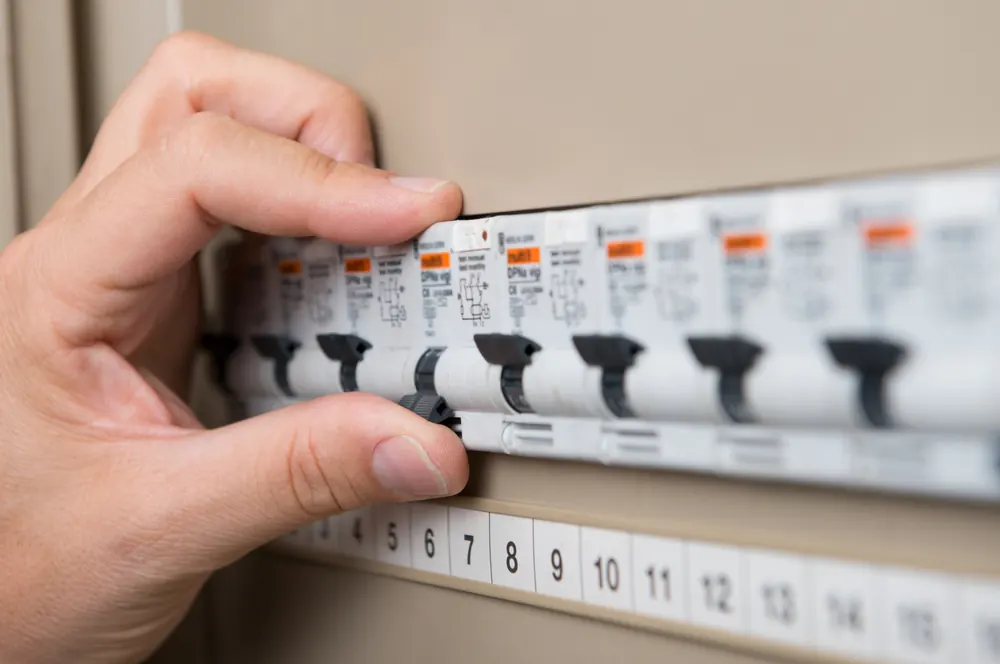
We check whether your switchboard has sufficient space for the necessary circuit breaker and protective devices. Older boards can be crowded, particularly if additional appliances or electrical circuits have been installed over the years.
If there's no suitable space available, modifications or a switchboard replacement may be necessary.
3. Safety Switch Protection
Safety switches, also known as residual current devices (RCDs), help protect people against electric shock by disconnecting electricity when certain electrical faults occur.
Some older switchboards have limited safety switch protection or none at all. We inspect the existing protective devices and determine what is required for the new air conditioning circuit to comply with applicable electrical safety requirements.
4. Existing Wiring Condition
Your switchboard isn't the only component that matters. We also assess relevant existing wiring to determine whether it's suitable for the proposed installation.
Older wiring, deteriorated insulation or previous electrical modifications can affect how new equipment is connected. Where concerns are identified, we explain what needs attention before proceeding with the installation.
Signs Your Switchboard May Need Upgrading
Certain features can indicate that your electrical system needs closer inspection before adding an air conditioner. If you're wondering, ‘Do I need to upgrade my switchboard?’, checking for outdated components, limited circuit space and inadequate safety protection is a good place to start.
Common signs you may need a switchboard upgrade include:
- Ceramic rewireable fuses: Older fuse systems may need replacing to accommodate modern circuit protection.
- Limited circuit space: A crowded switchboard may not have room for another dedicated circuit.
- Missing safety switches: Inadequate RCD protection may require electrical upgrades.
- Frequent circuit breaker trips: Repeated tripping can indicate electrical faults or overloaded circuits that need investigation.
- Visible deterioration: Damaged components, discolouration or signs of overheating require professional attention.
For example, imagine a 1970s brick home with its original switchboard. The owners want to install a new split system in the living room, but the board still contains ceramic fuses and has no suitable space for an additional circuit. In this situation, a switchboard upgrade may be required before the air conditioner can be connected.
Not every older switchboard needs replacing, which is why an assessment is important before making that decision.
What Is a Switchboard Upgrade?
A switchboard upgrade involves replacing or modifying an existing electrical distribution board to provide suitable circuit protection, capacity and safety features for the property's electrical requirements.
Depending on the condition of your existing installation, the work may involve replacing outdated fuse equipment, installing modern circuit breakers and safety switches or providing additional circuit space. In some cases, further electrical work may be necessary to address wiring concerns or supply limitations.
The goal isn't simply to make room for your new air conditioner. It's to ensure the relevant electrical installation can operate safely and meet applicable requirements.
How Much Does a Switchboard Upgrade Cost?
The cost of upgrading a switchboard depends on the condition of your existing electrical system and the extent of the work required. Rather than relying on a fixed price, it's important to understand what your particular installation involves.
Factors that can influence switchboard upgrade costs include:
- Existing board condition: Older or deteriorated equipment may require more extensive replacement work.
- Circuit requirements: The number of circuits and protective devices needed affects the scope.
- Wiring modifications: Existing wiring may need attention to accommodate the upgraded board.
- Electrical supply: Some properties require additional work beyond the switchboard itself.
- Installation complexity: Accessibility and the layout of existing electrical equipment can influence labour requirements.
A straightforward replacement may involve less work than an installation requiring extensive wiring changes or supply modifications.
We assess the existing setup and explain the necessary work so you can understand the scope before proceeding.
Can Your Switchboard Be Upgraded During Air Conditioner Installation?
In many cases, switchboard work can be coordinated with your new air conditioning installation, helping reduce the inconvenience of organising separate appointments.
Because we handle both electrical and air conditioning work, the switchboard assessment is built into our approach to air conditioning installation in Burleigh Heads and surrounding areas. Many straightforward switchboard upgrades can be completed in approximately one day, although more complex installations may take longer.
Where an upgrade is necessary, we can assess the requirements and coordinate the electrical work with the air conditioning installation. This helps avoid discovering an unsuitable switchboard only when the installation is due to begin.
Plan Your Air Conditioning Installation With Confidence
A new air conditioner should provide reliable comfort without placing unsuitable demands on your home's electrical system. Checking the switchboard beforehand helps identify potential safety concerns, clarify installation requirements and reduce unexpected changes to the job.
If you're planning a new split system or ducted installation, don't assume your existing switchboard is ready simply because everything currently works.
Contact BTM Electrical & Air to arrange an assessment and discuss your air conditioning installation. We'll check your electrical setup, explain whether any upgrades are necessary and help you plan the work required.